Complete Bali Tour Adventure Guide for Affordable Rate: My Epic Journey Through Paradise
Yo, what's good, travelers? So, I just got back from the most insane three-week adventure in Bali, and let me tell you, this place absolutely blew my mind. If you're thinking about hitting up the Island of the Gods but worried about breaking the bank, you've come to the right place. I'm about to spill ALL the tea on how to experience Bali like a boss without emptying your wallet. Buckle up, because this is gonna be one wild ride!

Why Bali? Let Me Tell You Why This Place is Lit
Alright, so first things first – why the heck should you even consider Bali? Well, let me break it down for you. I've been to quite a few places around Southeast Asia, but Bali? This place is on another level entirely. It's like someone took the best parts of paradise, mixed them with incredible culture, added some world-class surfing spots, threw in ancient temples that'll make your jaw drop, and then said, "Yeah, let's make this super affordable too." Genius, right?
When I first started planning this trip, I was totally overwhelmed. There's so much information out there, and half of it is conflicting AF. Some people say Bali is super expensive, others say you can live like royalty on $20 a day. The truth? It's somewhere in the middle, and it totally depends on how you play your cards. But here's the deal – I managed to have the time of my life while keeping my budget intact, and I'm about to show you exactly how I did it.
The thing about Bali that really gets me is the diversity. Like, seriously, where else can you wake up at 5 AM to catch a sunrise hike up an active volcano, spend your morning surfing world-class breaks, have an epic lunch at a beachfront warung for like $3, explore ancient temples in the afternoon, watch the most insane sunset of your life, and then party at a world-renowned beach club – all in the same damn day? Nowhere, that's where. And the best part? You don't need to be rolling in dough to experience all this madness.
Planning Your Trip: The Deets You Actually Need
Okay, so let's get into the nitty-gritty of planning this bad boy. I'm not gonna lie to you – the planning phase can be kinda stressful, especially if it's your first time visiting Indonesia. But don't sweat it, I've got you covered. Here's everything you need to know to set yourself up for success.
When to Go: Timing is Everything
First up, let's talk about when you should actually visit. Bali has two main seasons – dry season (April to October) and wet season (November to March). Now, I went during the shoulder season (late April to early May), and it was absolutely perfect. Here's why:
- The weather was on point – Mostly sunny with occasional afternoon showers that cleared up quickly
- Prices were lower – Since it's not peak season, accommodation and tours were cheaper
- Fewer crowds – I could actually enjoy places without a million other tourists in my selfies
- Everything was still green and lush – The rice terraces were absolutely stunning
If you're on a tight budget, I'd highly recommend avoiding July and August. That's peak tourist season, and prices go through the roof. Like, we're talking double or triple the normal rates for accommodation. Plus, popular spots get absolutely packed, and nobody wants to fight for space at a beach club, am I right?
That said, if you can only travel during peak season, don't let that stop you. Just book everything way in advance and be prepared to pay a bit more. The weather during those months is absolutely perfect, so there's definitely a trade-off.
How Long Should You Stay?
I spent three weeks in Bali, and honestly? I could've easily stayed another week. But if you're working with limited vacation time, here's my take:
| Duration | What You Can Do | Budget Estimate |
|---|---|---|
| 1 Week | Hit the highlights – Ubud, Seminyak, Uluwatu | $500-800 |
| 2 Weeks | Add Nusa Penida, explore more beaches, do some diving | $1000-1500 |
| 3+ Weeks | See everything, including hidden gems, take it slow | $1500-2500+ |
Personally, I think two weeks is the sweet spot. You get enough time to really explore without feeling rushed, but you're not gone so long that you break the bank. Three weeks was amazing, but by the end, I was definitely ready to head home (and my wallet was thanking me).
Visa Situation – Don't Sleep on This
Alright, let's talk bureaucracy for a sec. I know, I know – boring stuff. But trust me, you don't want to get stuck at the airport because you didn't sort out your visa. Here's the deal:
Most nationalities can get a Visa on Arrival (VOA) for 30 days, which costs around $35 USD. You can extend it once for another 30 days if you want to stay longer. The process is super straightforward – just hit up the visa counter when you land, pay the fee, and boom, you're in.
Pro tip: Have exact change in USD or Indonesian Rupiah. It'll save you time and hassle. Also, make sure your passport has at least 6 months validity remaining. They're strict about this, and you don't want any drama.
If you're planning to stay longer than 60 days total, you'll need to sort out a different visa before you travel. But for most people, the VOA is perfect.
Breaking Down the Budget: Where Your Money Actually Goes
Okay, let's get real about money. This is probably the most important section of this whole guide, so pay attention. I'm gonna break down exactly what I spent, category by category, so you can plan accordingly.
Accommodation: Where I Crashed
I stayed in a mix of hostels, guesthouses, and private villas during my trip. Here's the breakdown:
Hostels ($8-15/night): I started my trip in a hostel in Canggu, and it was awesome for meeting other travelers. The one I stayed at had a killer pool, free breakfast, and organized group activities. Perfect for solo travelers who want to make friends.
Private Rooms in Guesthouses ($20-40/night): Once I wanted some alone time, I switched to private rooms. These are usually family-run places with basic but clean amenities. You get your own space, AC, hot water, and sometimes a kitchenette. Major upgrade for not much more money.
Villas ($50-100/night): Okay, I splurged for a few nights in Ubud, and wow, what an experience. I got a private villa with a pool for $80/night. In any other country, this would be like $300+ minimum. Bali is insane like that.
Total accommodation cost for 3 weeks: Around $650. That's an average of $31/night, which is absolutely ridiculous value for what you get.
Food: Eating Like a King on a Budget
Let me tell you something – the food in Bali is absolutely incredible, and it won't break the bank. I ate SO well on this trip. Here's how I did it:
Warungs ($2-5 per meal): These are local Indonesian eateries, and they're where it's at. You can get nasi goreng, mie goreng, satay, gado-gado, and all sorts of delicious local food for pennies. My favorite warung in Ubud served the best nasi campur I've ever had for $3. I ate there at least 5 times.
Mid-range restaurants ($8-15 per meal): For when I wanted something a bit fancier, there are tons of great options. Think healthy bowls, international cuisine, nice cafes with AC. Still super affordable compared to Western prices.
Nice dinners ($20-40): I treated myself to a few nice dinners – seafood on the beach in Jimbaran, fine dining in Seminyak, that sort of thing. Even the "expensive" meals were way cheaper than back home.
I averaged about $15-20 per day on food, which included three meals plus snacks and drinks. That's $450-600 for three weeks. And I ate incredibly well – fresh fruit every day, smoothie bowls, local specialties, the works.

Transportation: Getting Around Without Losing Your Mind
Getting around Bali can be a bit chaotic if you're not prepared, but once you figure it out, it's actually pretty easy and cheap. Here are your options:
Scooter Rental ($5-7/day): This is the most popular option, and for good reason. It's cheap, convenient, and gives you total freedom. I rented a scooter for two weeks and paid $80 total. Just make sure you're comfortable riding one – Bali traffic can be intense, and you need to be confident on the road.
Important note: You technically need an international driving permit to ride a scooter legally in Bali. The police do sometimes check, especially in tourist areas. The fine is around $50 if you get caught without one. Some people risk it, but I'd recommend getting the permit just to be safe. It's like $20-30 from your local DMV.
Gojek/Grab ($1-5 per ride): These are the Southeast Asian versions of Uber, and they're lifesavers. You can order a car or a motorcycle taxi through the app. Super cheap, super convenient. I used these when I didn't want to ride my scooter or when it was raining. A 30-minute ride usually cost me $3-5.
Private Driver ($50-70/day): For day trips, hiring a private driver is the way to go. You get a car and driver for 8-10 hours, and they'll take you wherever you want. I did this for my Nusa Penida day trip and my exploration of North Bali. Totally worth it for the convenience and peace of mind.
Total transportation cost: Around $200 for three weeks, including scooter rental, gas, and occasional Gojek rides.
Activities and Tours: The Fun Stuff
This is where things can get expensive if you're not careful, but it's also where you create the memories that'll last a lifetime. Here's what I did and what it cost:
Mount Batur Sunrise Trek ($35): Waking up at 2 AM to hike up an active volcano sounds crazy, but watching the sunrise from the summit was absolutely worth it. I booked this through baliventur.com, and they were fantastic. Included hotel pickup, guide, breakfast at the top, and hot springs visit afterward. Best $35 I spent on the whole trip.
Scuba Diving in Nusa Penida ($80 for 2 dives): Swimming with manta rays is literally a bucket list item, and I finally did it! The dive sites around Nusa Penida are world-class. I went with a reputable operator that prioritized safety and small groups. Saw manta rays, mola mola (sunfish), and tons of other amazing marine life. Absolutely unforgettable.
Surf Lessons in Canggu ($25/hour): I'd never surfed before Bali, and Canggu is the perfect place to learn. The waves are forgiving, the instructors are patient, and the vibe is super chill. I took three lessons and now I'm totally hooked. Planning to keep surfing when I get home.
Temple Entries ($2-5 each): Bali has thousands of temples, and most charge a small entrance fee. Tanah Lot, Uluwatu, Besakih, Tirta Empul – they're all worth visiting. Just remember to dress respectfully (sarong and sash required, usually available for rent at the entrance).
Yoga Classes ($10-15/class): Ubud is basically the yoga capital of the world, and for good reason. I took classes at a few different studios, and they were all amazing. Great way to recover from all the partying and adventuring.
Waterfall Hiking (Free-$10): Bali has some incredible waterfalls, and many are free to visit. Sekumpul, Tegenungan, Kanto Lampo – they're all stunning. Some charge a small parking or entrance fee, but it's usually just a few dollars.
Total activities cost: Around $400 for three weeks. I could've spent way more if I'd done every single tour available, but I was selective and focused on the experiences that mattered most to me.
"The key to affordable travel in Bali is being selective about your activities. You don't need to do everything – just pick the experiences that truly excite you, and you'll have an amazing time without breaking the bank."
Where to Stay: My Favorite Spots
Bali is divided into several distinct areas, each with its own vibe. Here's where I stayed and what I thought:
Canggu: The Hipster Paradise
I spent my first week in Canggu, and it was the perfect introduction to Bali. This place is super trendy, with tons of cafes, beach clubs, and surf spots. The vibe is young and energetic, and it's easy to meet other travelers.
Pros:
- Great surf beaches (Batu Bolong, Berawa, Echo Beach)
- Tons of Instagram-worthy cafes and restaurants
- Vibrant nightlife
- Easy to meet people
- Close to Seminyak and Ubud
Cons:
- Traffic is absolutely insane
- Getting more expensive as it gets more popular
- Can feel a bit too "party-focused" if you want chill vibes
Where I stayed: I crashed at The Farm Hostel, which was awesome. Great pool, social atmosphere, and organized activities. Private rooms available if you want more privacy.
Ubud: The Cultural Heart
After the chaos of Canggu, Ubud was exactly what I needed. This place is all about culture, nature, and wellness. It's surrounded by rice terraces, jungles, and temples. The energy here is completely different – much more relaxed and spiritual.
Pros:
- Stunning natural beauty
- Rice terraces (Tegalalang is famous, but there are quieter ones too)
- Tons of yoga studios and wellness centers
- Great food scene, especially healthy/vegan options
- Cultural activities (traditional dance, art classes, temple visits)
- Monkey Forest (yes, actual monkeys running wild)
Cons:
- No beach (obviously, it's in the mountains)
- Can be touristy in the center
- Traffic is also bad here, surprisingly
Where I stayed: I splurged on a private villa with a pool in the outskirts of Ubud. It was $80/night and absolutely worth it. Woke up to the sound of birds and rice fields. Pure magic. If you're on a tighter budget, there are tons of great guesthouses in the $20-30 range.

Uluwatu: The Surfer's Dream
I spent my last week in Uluwatu, and it was the perfect way to end my trip. This area is on the southern tip of Bali, known for world-class surf breaks, stunning cliffs, and beautiful beaches.
Pros:
- Best surf breaks in Bali (Uluwatu, Padang Padang, Bingin)
- Stunning cliff-top temples (Uluwatu Temple is a must-see)
- Beautiful beaches with white sand and blue water
- Great beach clubs (Single Fin, Sundays Beach Club)
- More laid-back than Canggu/Seminyak
Cons:
- Further from the airport (about 45 minutes)
- Limited public transport – you really need a scooter
- Beaches require climbing lots of stairs to access
Where I stayed: A surf camp in Bingin. Basic but clean, right near the beach, and the community vibe was amazing. $25/night for a private room. Can't beat that.
Other Areas Worth Considering:
Seminyak: More upscale than Canggu, with high-end restaurants, boutiques, and beach clubs. Good if you want a bit more luxury.
Sanur: Quieter, more family-friendly, with a nice beachfront path. Good for a relaxed vibe.
Nusa Dua: Resort area with fancy hotels and manicured beaches. Not really my style, but some people love it.
Amed: On the east coast, known for diving and snorkeling. Super chill, off the beaten path.
Booking Activities: My Experience with Baliventur
Okay, so I mentioned earlier that I booked some of my tours through Baliventur, and I really want to talk about this because finding reliable tour operators in Bali can be tricky. There are SO many options, and it's hard to know who's legit.
Here's the thing – I did a lot of research before booking anything. I read reviews, compared prices, and asked other travelers for recommendations. When I found baliventur.com, I was impressed by their website and the range of Bali tours they offered. Everything from volcano treks to water sports to cultural experiences.
I ended up booking three different activities with them:
- Mount Batur sunrise trek
- White water rafting on the Ayung River
- Full-day Nusa Penida island tour
And you know what? Every single one was fantastic. The guides were knowledgeable and friendly, the logistics were smooth (hotel pickup/drop-off on time), the equipment was good quality, and the prices were fair. When I had questions before the trip, their customer service responded quickly and helped me figure out which best bali tours would fit my schedule and interests.
What I really appreciated was that they weren't trying to upsell me on everything under the sun. They gave me honest recommendations about what was worth doing and what might not be my style. That level of honesty is rare in the tourism industry, and it made me trust them even more.
If you're looking for adventure Bali experiences, I'd definitely recommend checking them out. Whether you want adrenaline-pumping activities or more relaxed cultural tours, they've got options. And honestly, booking activities in Bali through a reputable company just takes so much stress out of the equation. You know what you're getting, the price is clear, and you have someone to contact if anything goes wrong.
Plus, when you book through established companies, you're supporting businesses that treat their employees fairly and follow safety regulations. That matters, especially for activities like diving, trekking, or water sports where safety should be the top priority.
So yeah, if you want to make your life easier and ensure you have quality experiences, I'd say get info here about what they offer. They're not the only option out there, but based on my experience, they're definitely one of the best. And if you're wondering about things to do in Bali beyond the typical tourist stuff, their website has some unique options that I hadn't seen elsewhere.
🎯 Quick Recommendation
Whether you're into Bali tours focused on adventure, culture, or relaxation, doing your research and booking with reputable operators makes a huge difference. Don't just go with the cheapest option – read reviews, ask questions, and make sure safety is a priority. Your experience (and your safety) are worth it!
Food Guide: Eating Your Way Through Bali
Let's be real – one of the best parts of traveling is the food, and Bali does NOT disappoint. The food scene here is incredibly diverse, from authentic Indonesian warungs to world-class international restaurants. Here's my guide to eating well without spending a fortune.
Must-Try Local Dishes
Nasi Goreng: Indonesian fried rice. Sounds simple, but when it's done right, it's absolutely incredible. Usually comes with a fried egg on top, satay, and crackers. My go-to breakfast/lunch/dinner.
Mie Goreng: Fried noodles, similar concept to nasi goreng but with noodles instead of rice. Equally delicious.
Nasi Campur: This is basically a plate of rice with small portions of various side dishes – could be satay, tempeh, tofu, vegetables, sambal, egg, etc. It's different at every warung, which makes it fun to try at different places.
Satay (Sate): Grilled meat skewers, usually chicken or pork, served with peanut sauce. Absolute perfection.
Gado-Gado: Indonesian salad with vegetables, tofu, tempeh, egg, and peanut sauce. Sounds weird, tastes amazing.
Babi Guling: Suckling pig, a Balinese specialty. Crispy skin, tender meat, served with rice and various sides. If you eat pork, you MUST try this.
Bebek Betutu: Slow-cooked duck, another Balinese specialty. Super flavorful and tender.
Lawar: Traditional Balinese mixed salad with vegetables, coconut, and minced meat (could be pork, chicken, or duck). Often has fresh blood in it, so not for the faint of heart, but delicious if you're adventurous.
Where to Eat
Warungs: As I mentioned, these local eateries are where it's at. Look for places that are busy with locals – that's always a good sign. Don't be intimidated by the lack of English menus; just point at what looks good or ask the owner for recommendations.
Food Markets: Bali has some great markets where you can sample different foods. The Gianyar Night Market is fantastic – tons of local food at super cheap prices.
Cafes: Bali's cafe culture is strong, especially in Canggu and Ubud. You'll find everything from specialty coffee shops to healthy food cafes serving smoothie bowls and avocado toast. Prices are higher than warungs but still reasonable by Western standards.
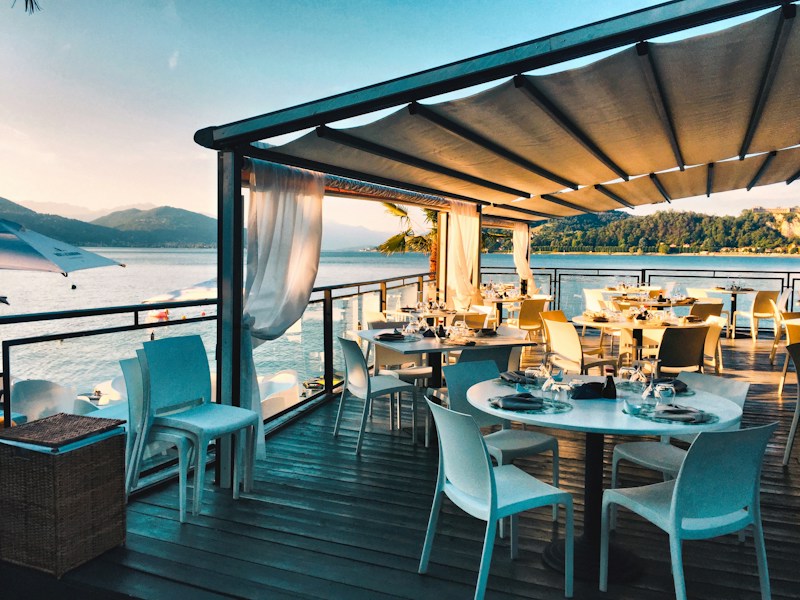
Beachfront Restaurants: Dining with your toes in the sand is hard to beat. Jimbaran is famous for its seafood restaurants on the beach. You pick your fresh seafood, they grill it up, and you eat at tables set up on the sand watching the sunset. Romantic and delicious.
Dietary Restrictions
If you're vegetarian, vegan, or have other dietary restrictions, Bali is actually one of the best places in Southeast Asia for you. Especially in Ubud and Canggu, there are tons of plant-based restaurants and cafes. Even traditional warungs usually have veggie options if you ask.
Just be aware that Indonesian food often uses shrimp paste (terasi) and fish sauce, so if you're strictly vegan, you need to specify that. Most places are happy to accommodate once they understand your needs.
Drinks
Water: DO NOT drink tap water. Stick to bottled water or filtered water. Most accommodations provide free drinking water, and you can buy bottles at minimarkets for like $0.50.
Coconut Water: Fresh coconut water is everywhere and absolutely delicious. Usually $1-2 for a whole coconut. Perfect for staying hydrated.
Beer: Bintang is the local beer, and it's cheap ($2-3 at a warung, $4-6 at a bar). There are also craft beers available if you're into that.
Coffee: Bali produces some excellent coffee, especially from the highlands. Try kopi luwak if you're curious (it's the famous civet cat coffee), but regular local coffee is also great and way cheaper.
Arak: This is the local spirit, kind of like rice wine. It's super cheap but BE CAREFUL. There have been cases of methanol poisoning from bad arak. Only drink it at reputable places, and never buy it from random street vendors.
Practical Tips: Stuff I Wish I'd Known Before Going
Alright, let's get into some practical advice that'll make your trip smoother. These are all things I learned the hard way, so you don't have to.
Money Matters
Currency: Indonesian Rupiah (IDR). The exchange rate is roughly 15,000 IDR to $1 USD, but it fluctuates. Download a currency converter app so you can quickly calculate prices.
Cash is King: While cards are accepted at hotels, nicer restaurants, and bigger shops, you'll need cash for warungs, markets, scooter rentals, and most activities. ATMs are everywhere, but they charge fees (usually $3-5 per withdrawal). I recommend bringing some USD from home and exchanging it at authorized money changers for better rates.
Tipping: Not required but appreciated. For good service at restaurants, 10% is nice if there's no service charge. For drivers and guides, $5-10/day is appropriate. For porters and small services, just round up or give small change.
Packing Essentials
What to Bring:
- Light, breathable clothing (it's hot and humid)
- Swimsuit (obviously)
- Sarong (for temple visits – you can also rent/buy there)
- Good sunscreen (expensive in Bali, bring from home)
- Insect repellent
- Flip-flops/sandals
- Comfortable walking shoes
- Rain jacket (even in dry season, afternoon showers happen)
- Reusable water bottle (with filter if possible)
- Power adapter (Indonesia uses Type C/F, 230V)
- Basic first aid kit
- Any prescription medications
What You Can Buy There:
- Toiletries (though brands might be different)
- Sarongs and temple clothes
- Beachwear
- Souvenirs
- Scooter helmet (if you're renting long-term)
Staying Safe
Scams: Bali is generally safe, but there are some common scams to watch out for:
- Money changers giving you less money than agreed – always count your money before leaving, and only use authorized changers
- Scooter rental companies claiming you damaged their bike – take photos/videos before and after rental
- Fake tour guides – book through reputable companies or your accommodation
- Overcharging at markets – always negotiate, and know the approximate price beforehand
Health:
- Only drink bottled or filtered water
- Be careful with ice in drinks (most places use filtered water for ice, but not all)
- Use hand sanitizer frequently
- Bring stomach medication (Imodium, etc.) just in case
- Consider travel insurance that covers medical evacuation
- Wear a helmet when riding a scooter (it's the law, and it'll save your life)
Traffic: Bali traffic is chaotic. If you're riding a scooter:
- Always wear a helmet
- Drive defensively – assume others won't follow traffic rules
- Don't ride at night if you're not experienced
- Be extra careful during rainy season – roads get slippery
- Park in designated areas to avoid fines
Cultural Etiquette
Bali is predominantly Hindu (unlike the rest of Indonesia, which is mostly Muslim), and the culture is deeply spiritual. Here are some important things to respect:
- Always dress modestly when visiting temples (cover shoulders and knees)
- Don't touch people's heads (considered sacred)
- Don't point with your index finger (use your thumb or whole hand)
- Don't step on canang sari (the small offerings you see everywhere)
- Use your right hand for giving/receiving things (left hand is considered unclean)
- Ask permission before taking photos of people, especially during ceremonies
- During Nyepi (Day of Silence), you must stay inside your accommodation – no going out, no lights, no noise
Hidden Gems: Places Most Tourists Miss
Okay, so everyone knows about Ubud, Canggu, and the main temples. But Bali has so much more to offer. Here are some of my favorite hidden gems that didn't have massive crowds:
West Bali National Park
Located in the northwest corner of the island, this place is absolutely stunning and sees way fewer tourists than the south. You can do hiking, snorkeling, and wildlife spotting (including the rare Bali starling). The Menjangan Island day trip from here has some of the best snorkeling I've ever done.
Sidemen
This valley east of Ubud is what Ubud used to be like before it got super touristy. Rice terraces, traditional villages, Mount Agung views, and a super relaxed vibe. Perfect for a few days of chill if you need a break from the chaos.
Amed
On the east coast, Amed is a string of fishing villages with black sand beaches and excellent diving/snorkeling. The USAT Liberty shipwreck is right off the beach – you can literally snorkel to it! Super laid-back, great for digital nomads who want to work and dive.
Munduk
In the mountains of North Bali, Munduk is all about waterfalls, coffee plantations, and cool weather. It's a nice change from the heat of the coast. The waterfalls here are incredible, and you'll have them mostly to yourself.
Nusa Lembongan
Everyone goes to Nusa Penida now (and it's amazing), but neighboring Nusa Lembongan is still relatively chill. Beautiful beaches, great snorkeling with manta rays, and a more relaxed pace. You can easily visit both islands if you have time.
My Day-by-Day Itinerary (For Inspiration)
I know everyone's trip is different, but I thought it might be helpful to share my actual itinerary so you can see how I structured my three weeks. Feel free to adjust based on your interests and time!
Week 1: Canggu & Seminyak
Days 1-3: Arrived in Canggu, checked into hostel, recovered from jet lag. Explored the area, hit up cafes, watched sunset at Echo Beach. Took a surf lesson on day 3.
Days 4-5: More surfing, explored Seminyak, checked out beach clubs (Potato Head was amazing), did some shopping.
Day 6: Day trip to Tanah Lot temple for sunset. Rented a scooter and explored the west coast.
Day 7: Relax day – yoga, beach, meal prep for the week ahead.
Week 2: Ubud & Central Bali
Day 8: Moved to Ubud, checked into villa. Explored the town, visited the monkey forest.
Day 9: Mount Batur sunrise trek (booked through Baliventur). Got back around noon, crashed, then explored local warungs.
Day 10: Tegalalang rice terraces (went at 7 AM to avoid crowds), Tirta Empul temple, coffee plantation tour.
Day 11: Yoga class, explored Ubud art market, took a cooking class.
Day 12: Day trip to waterfalls – Kanto Lampo, Tegenungan, and a hidden one my hostel recommended.
Day 13: White water rafting on Ayung River (another baliventur.com booking). Epic day!
Day 14: Chill day – worked on my tan, read by the pool, had a massage.
Week 3: Uluwatu & Islands
Day 15: Moved to Uluwatu, checked into surf camp. Explored Bingin beach.
Day 16: Full day Nusa Penida tour (booked through Baliventur – highly recommend!). Saw Kelingking Beach, Angel's Billabong, Broken Beach. Exhausting but SO worth it.
Day 17: Recovery day. Surf lesson at Padang Padang, watched sunset at Single Fin.
Day 18: Scuba diving in Nusa Penida – swam with manta rays! Bucket list moment.
Day 19: Explored Uluwatu temple, watched the Kecak fire dance at sunset.
Day 20: Beach hopping – visited Green Bowl, Suluban, and Nyang Nyang beaches.
Day 21: Last day – souvenir shopping, farewell dinner at a nice restaurant in Jimbaran, packed up.
Day 22: Flew home, already planning my return trip!
Final Thoughts: Was It Worth It?
Let me just say this straight up – Bali exceeded every single expectation I had. I went in thinking it would be nice, but I had no idea just how incredible it would be. The combination of natural beauty, rich culture, amazing food, friendly people, and affordable prices makes it pretty much the perfect travel destination.
Did I spend more than I planned? Yeah, probably. But honestly, I don't regret a single rupiah. The experiences I had, the people I met, the places I saw – that's stuff I'll remember for the rest of my life. And the fact that I could do all of this without going into debt? That's the real win.
If you're on the fence about going to Bali, let me be the one to push you off. Just book the ticket. You won't regret it. Whether you're a solo traveler, a couple, a group of friends, or even a family, Bali has something for everyone. And with the tips I've shared in this guide, you'll be able to experience it all without breaking the bank.
Remember, the key to affordable travel is being smart about your choices. Stay in guesthouses instead of fancy hotels (most of the time), eat at warungs instead of tourist traps, rent a scooter instead of hiring drivers for everything, and be selective about which tours you book. But don't be so cheap that you miss out on the experiences that matter. Find that balance, and you'll have the trip of a lifetime.
I'm already planning my return trip (yes, one trip wasn't enough), and I can't wait to explore even more of what this incredible island has to offer. Until then, I'll be here living vicariously through my photos and dreaming of those sunsets.
So what are you waiting for? Start planning your Bali adventure today! And if you need help booking activities, definitely check out baliventur.com – they made my trip so much easier and more enjoyable. Whether you're looking for best bali tours or just want to know about things to do in Bali, they've got you covered.
Safe travels, everyone! See you in paradise! 🌴🏄♂️🌅
📝 Quick Budget Summary
Here's what I spent in total for 3 weeks in Bali:
- Accommodation: $650
- Food: $550
- Transportation: $200
- Activities: $400
- Miscellaneous: $200
- Total: $2,000 (about $95/day)
You could definitely do it cheaper if you're more budget-conscious, or spend more if you want luxury. But this gave me an amazing balance of comfort and adventure!
Been to Bali? I'd love to hear about your experience! Head over to the Share Your Trip page and tell us your story.